Airport Ground Equipment (AGE) plays a critical role in keeping aircraft operations safe, efficient, and on schedule. Among the most vital pieces of Ground Support Equipment (GSE) are aircraft refuelling vehicles, which ensure aircraft receive the correct fuel, at the correct pressure, and within strict safety regulations.
Aircraft refuelling vehicles are designed to operate in demanding airport environments where reliability, precision, and safety are essential. From commercial passenger aircraft to cargo planes and military operations, these specialist vehicles support daily flight operations across airports worldwide.
What Are Aircraft Refuelling Vehicles?
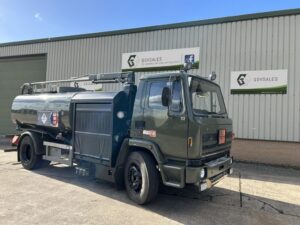
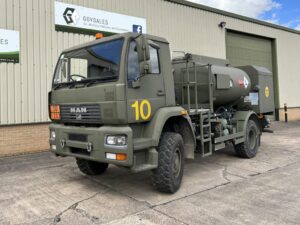
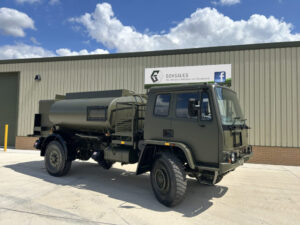
Aircraft refuelling vehicles are purpose-built airport ground equipment used to transport, filter, and deliver aviation fuel directly to aircraft. They are engineered to meet international aviation standards and are available in several configurations, including:
- Refuelling tankers
- Hydrant dispensers
- Hydrant servicers
- Mobile fuel bowsers
Each type is designed to support different airport layouts, aircraft sizes, and operational requirements, ensuring flexibility across ground handling operations.
Key Features of Modern Refuelling Vehicles
Modern aircraft refuelling vehicles incorporate advanced technology to improve safety, efficiency, and environmental performance. Common features include:
- Precision fuel metering systems
- Multi-stage filtration for fuel cleanliness
- Deadman controls and emergency shut-off systems
- Anti-collision lighting and safety interlocks
- Low-emission or electric drivetrain options
These features help ensure compliance with aviation safety standards while reducing downtime and operational risk.
Safety and Compliance in Airport Refuelling Operations
Safety is the top priority when refuelling aircraft. Aircraft refuelling vehicles are built to comply with strict international regulations such as IATA, JIG, and ICAO standards. Operators rely on these vehicles to deliver fuel safely while preventing contamination, over-pressurisation, and static discharge.
Regular maintenance, operator training, and vehicle certification are essential parts of safe airport ground operations, helping airports maintain uninterrupted service and regulatory compliance.
Applications Across Airport Operations
Aircraft refuelling vehicles are used across a wide range of airport environments, including:
- Commercial passenger airports
- Cargo and freight hubs
- Military and defence airfields
- Private and business aviation terminals
Their adaptability makes them a cornerstone of efficient airport ground equipment fleets.
Defueling
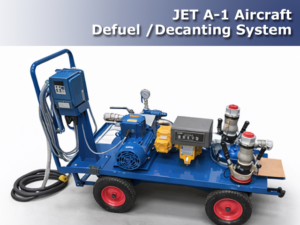
Defueling an aircraft is the controlled process of removing aviation fuel from the aircraft’s tanks, usually via the underwing refuelling/defuelling coupling and specialist pumping equipment. The operation is carried out by trained ground engineers using dedicated defuel rigs designed to safely transfer Jet A-1 into approved storage tanks or bowsers while managing fuel flow, pressure, and filtration.
There are several important reasons why an aircraft may need to be defueled. Common scenarios include maintenance activities such as tank inspections, fuel system repairs, or aircraft storage and decommissioning. Defueling may also be required to reduce aircraft weight for certain servicing tasks, to correct fueling errors, or when an aircraft is being prepared for transport or long-term parking.