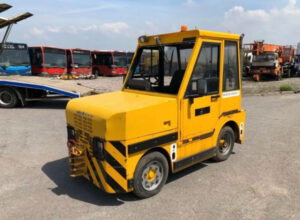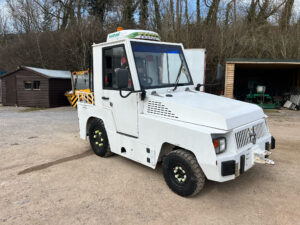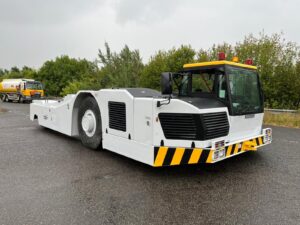
Airport Pushback Tractors - Ground Support Equipment (GSE)
Airport Ground Equipment and Aircraft Pushback Tractors
Airport ground equipment plays a vital role in the safe, efficient and timely operation of modern airports. From aircraft parking to departure, a wide range of specialised ground support equipment (GSE) is required to ensure aircraft are handled correctly while on the apron. Among the most critical types of airport ground equipment are aircraft pushback tractors, which are essential for manoeuvring aircraft safely away from gates and stands.
What Is Airport Ground Equipment?
Airport ground equipment, often referred to as ground support equipment (GSE), includes all vehicles and machinery used to service aircraft while they are on the ground. This equipment supports aircraft operations without the use of engines, helping airports improve safety, efficiency and environmental performance.
Common types of airport ground equipment include:
Aircraft pushback tractors
Baggage loaders and belt loaders
Aircraft refuelling tankers
Passenger stairs and boarding bridges
Ground power units (GPU)
De-icing and anti-icing vehicles
Each category of ground equipment is designed to perform a specific function, but pushback tractors are among the most visible and operationally critical assets on the airport apron.
The Role of Aircraft Pushback Tractors
Aircraft pushback tractors are used to move aircraft backwards from parking positions, gates or stands before taxiing. Most commercial aircraft cannot reverse under their own power safely or efficiently, making pushback tractors an essential part of airport ground operations.
These vehicles connect to the aircraft’s nose landing gear, either via a towbar or using a towbarless system, allowing precise control during pushback. Pushback tractors are operated by trained personnel and coordinated closely with flight crews and air traffic control.
Types of Aircraft Pushback Tractors
There are two main categories of aircraft pushback tractors used at airports worldwide:
Towbar Pushback Tractors
Towbar tractors use a detachable towbar to connect the tractor to the aircraft’s nose gear. This traditional method is widely used and remains popular due to its flexibility across different aircraft types.
Towbarless Pushback Tractors
Towbarless tractors lift and cradle the aircraft’s nose wheel, eliminating the need for a separate towbar. These pushback tractors offer faster connection times, reduced equipment handling and improved manoeuvrability, making them increasingly popular at busy airports.
Benefits of Modern Pushback Tractors
Modern aircraft pushback tractors are designed with safety, efficiency and environmental considerations in mind. Key benefits include:
Enhanced safety through improved visibility, braking systems and control
Operational efficiency, reducing turnaround times at gates
Compatibility with a wide range of aircraft, from regional jets to widebody aircraft
Reduced emissions, with electric and hybrid pushback tractors becoming more common
Lower operating costs due to improved reliability and reduced maintenance requirements
As airports focus on sustainability and performance, investment in advanced pushback tractors is becoming increasingly important.
Pushback Tractors and Airport Efficiency
Efficient aircraft movement on the ground is critical to maintaining airport schedules and reducing delays. Pushback tractors allow precise positioning of aircraft while minimising engine use, which helps lower fuel consumption and reduce noise on the apron.
At congested airports, reliable airport ground equipment such as aircraft pushback tractors plays a key role in maximising gate utilisation and improving overall airside operations.
Choosing the Right Pushback Tractor
Selecting the right aircraft pushback tractor depends on several factors, including:
Aircraft types and weights handled
Airport layout and apron space
Environmental and emissions requirements
Frequency of operations and peak traffic periods
Airports, ground handling companies and airlines must ensure their pushback tractors meet operational demands while complying with safety regulations and industry standards.
The Future of Airport Ground Equipment
The future of airport ground equipment is moving towards electrification, automation and improved sustainability. Electric aircraft pushback tractors are increasingly adopted to reduce carbon emissions and support airport environmental targets.
Advancements in telematics, diagnostics and operator assistance systems are also improving the safety and reliability of pushback operations, ensuring aircraft ground handling continues to evolve alongside modern aviation demands.
Aircraft Tugs – Current stock
Select one or more items using Add to quote. When finished, return here and click Request a Quote. Click an image to view the item.
You can view selected items using the button above